Overtourism and Business Travel: Practical Tips for More Responsible Trips

Overtourism is often linked to leisure holidays, packed beaches and crowded city centres. However, business travel also contributes to visitor numbers, particularly in major event destinations, conference hubs and global cities.
As travel activity continues to grow, organisations in the sports, media and entertainment sectors have an opportunity to make smarter travel decisions that reduce pressure on destinations while still achieving their business goals.
While many event locations are fixed, particularly for major sporting tournaments and live productions, organisations can still take meaningful steps to minimise their impact and support host communities.
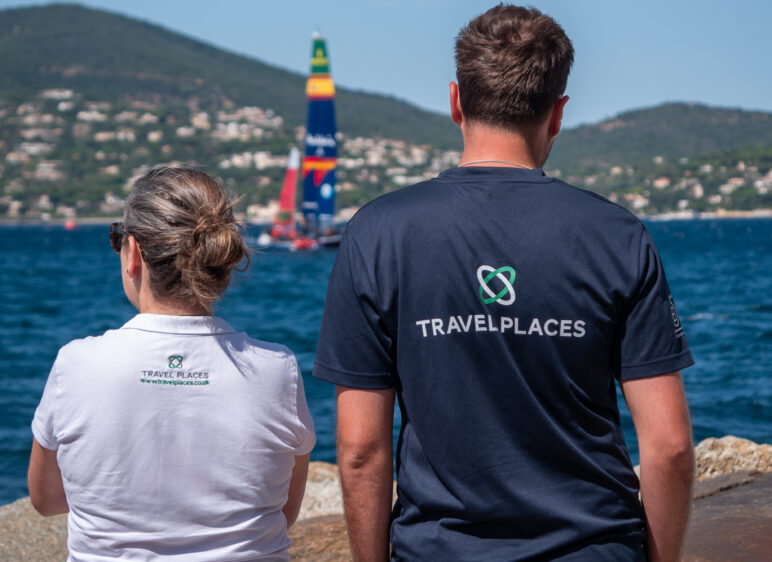
This is especially relevant in sports travel, where major events can bring teams, officials, media, sponsors and spectators to a destination at the same time.
As tournaments, productions and live events continue to attract international audiences, businesses have an opportunity to help spread visitor demand more responsibly and support the long-term sustainability of host destinations.
What is overtourism?
Overtourism occurs when the number of visitors in a destination becomes difficult for local infrastructure, communities and environments to manage. Common effects include crowded public spaces, strain on transport networks, increased accommodation demand and pressure on local resources.
While leisure tourists often receive the most attention in discussions about overtourism, business visitors can also contribute to these challenges. Large conferences, sporting events, film productions, concerts and festivals can bring thousands of visitors into a destination within a short period.

Why business travellers should care about overtourism
Business travel delivers significant economic benefits for destinations. Hotels, restaurants, transport providers and local suppliers all benefit from corporate visitors.
The challenge is ensuring that these benefits do not come at the expense of local communities. A destination may welcome the economic value generated by visitors while still struggling with overcrowding during peak periods.
For many sports organisations, broadcasters and production teams, avoiding a busy destination simply isn’t an option. Major events are awarded years in advance, and everyone involved must travel to the host location. In these situations, responsible travel is less about changing the destination and more about making thoughtful choices around accommodation, transport, supplier selection and how visitor spending is distributed across the local area.
For those working in event planning, these choices can have a meaningful impact. Choosing less congested locations to star, travelling during quieter periods and supporting local businesses can help spread tourism more evenly.
Businesses are increasingly recognising that responsible travel is not only good for destinations but can also improve traveller experiences. Fewer crowds often mean easier logistics, better availability and a more successful event overall.
How overtourism affects events travel
Events travel and conferences
Large conferences often take place in major cities that already attract substantial visitor numbers. Destinations such as London, Barcelona, Amsterdam and New York frequently host international business events while also serving as major tourist hotspots.
When thousands of delegates arrive simultaneously, accommodation demand rises and local services can become stretched.
For organisations attending these events, considering alternative destinations and venues can help ease pressure on overcrowded destinations. Smaller cities now offer excellent conference facilities, strong transport links and competitive visitor experiences.
Sports travel and global tournaments
The growth of international sporting events means that sports travel continues to generate significant movement across the globe. Teams, officials, broadcasters, sponsors and fans often travel to the same destination at the same time. Sports tourism is estimated to account for around 10% of global tourism expenditure worldwide, demonstrating the scale of travel linked to sporting events.
This creates considerable economic opportunities for host locations. However, it can also place pressure on accommodation capacity, transport systems and local communities.
Responsible planning within sports travel can help balance these competing demands. Although teams, officials and media organisations may have little control over where an event takes place, they can make decisions that reduce pressure on host destinations. Staying in regional accommodation where appropriate, using shared transport solutions, working with local suppliers, extending economic benefits beyond the main event zone and encouraging longer, more considered stays rather than multiple short trips can all contribute to a more sustainable approach.

Entertainment travel and production demands
Film, television, music and live events rely heavily on entertainment travel. Production crews, performers, technical teams and support staff often travel together, creating concentrated spikes in visitor numbers.
Unlike leisure tourism, entertainment travel can involve longer stays and/or larger operational requirements. This makes destination planning particularly important.
Production teams that research local infrastructure and engage with community stakeholders early can often reduce disruption while creating positive local economic impact.
What if the destination is fixed?
For many organisations involved in sports, media and entertainment travel, destination choice is often non-negotiable. International tournaments, global sporting events, productions and live events take place where the organiser or governing body decides.
However, there are still practical ways organisations can help reduce pressure on busy destinations:
- Consider accommodation options outside the most congested areas where operationally feasible.
- Use public transport, shared transfers or consolidated ground transport wherever possible.
- Work with local suppliers and businesses to keep more economic value within the destination.
- Encourage travellers to behave responsibly and respect local communities.
- Extend the use of regional venues, training facilities or meeting spaces beyond the main event hub.
- Consolidate travel plans to reduce unnecessary journeys before and during the event.
Responsible travel is not always about changing where you go. Often, it’s about making better decisions once you get there.
Tips for reducing overtourism in business travel
Look beyond the obvious destinations
Many organisations automatically choose established business hubs for meetings and events. While these cities offer convenience and familiarity, they are often among the busiest destinations in the world, with tourism and business activity concentrated in already well-visited areas.
Instead of selecting the same destination year after year, consider emerging or secondary cities that have the infrastructure needed to support business visitors. Many offer strong transport connections, modern meeting facilities, ample accommodation and less congestion, while also creating opportunities to support local economies.
Even when an event is held in a major city, there are ways to extend its positive impact. Organising meetings, networking events or social activities in surrounding towns and communities can encourage visitors to explore a wider region and help distribute economic benefits more evenly.
Addressing overtourism in business travel isn’t about avoiding popular destinations altogether. It’s about challenging assumptions about where events should be held and finding opportunities to spread both visitor traffic and economic value beyond the usual locations.
Travel during off-peak periods
Timing matters.
When business schedules allow, travelling outside peak visitor periods can reduce pressure on destinations and improve the overall travel experience.
Benefits may include:
- Shorter queues
- Better transport availability
- Reduced crowding
- More efficient operations
- Increased comfort for travellers
This approach is particularly useful for travel where flexibility around event dates may create opportunities to avoid peak tourist seasons.
Support local businesses
Incorporating local suppliers into travel plans, where possible, can help distribute tourism benefits more widely.
Examples include:
- Independent restaurants
- Local transport operators
- Community-based experiences
- Regional event suppliers
This is particularly valuable in entertainment travel and sports travel, where visiting teams and crews may spend extended periods in a destination.

The growing importance of sustainable travel policies
Businesses are paying closer attention to sustainability across all areas of operations, including travel.
Travel policies are evolving to include considerations such as:
- Carbon reduction goals
- Responsible supplier selection
- Sustainable accommodation choices
- Community impact
- Traveller wellbeing
By incorporating overtourism considerations into policy development, businesses can make more informed travel decisions.
This could mean rotating event locations, using regional accommodation strategies or evaluating destination capacity before committing to long-term projects.
We can help
Overtourism isn’t a challenge that can be solved by simply avoiding popular destinations. For many sports, media and entertainment organisations, travel to major event locations is unavoidable. The opportunity lies in how those trips are planned and delivered. Small decisions around accommodation, transport, supplier selection and local engagement can help ensure that major events leave a positive legacy for the destinations that host them.
At Travel Places, we’ve been helping clients navigate the complexities of sports travel, entertainment travel and media travel for decades. As a B Corp and ISO 20121-certified business, we’re passionate about creating travel programmes that work for people, events and destinations alike.
If you’d like to explore ways to make your travel more responsible and resilient, please contact us.