Staff Spotlight: What supporting elite sport has taught me about team travel

In our latest Staff Spotlight, we sat down with Debbie Street, Specialist Event Manager, who is approaching an incredible 25 years at Travel Places.
Throughout her career, Debbie has specialised in elite sports travel, working closely with National Governing Bodies, sporting associations and major international events.
Having supported Olympic and Paralympic travel programmes across multiple Games cycles, she has developed a deep understanding of the complex planning, specialist requirements and behind-the-scenes work that help athletes and teams perform at their best.
We asked Debbie to share some of the biggest lessons she’s learned from 25 years in elite sports travel.
Most people assume sports travel starts when a team arrives at the airport. In reality, the work begins months, and often years, before anyone checks in for a flight.
What happens if a competition schedule changes? How do you transport large quantities of specialist equipment? What if a team needs to return home earlier than expected? And how do you make sure athletes arrive in the best possible condition to train and compete?
These are the kinds of questions I’ve spent my career answering.
After years in the industry, you build up a huge amount of knowledge. You understand how the sporting world works, the questions that need to be asked and the issues that might be waiting around the corner. As I often say, nothing surprises me anymore.
Successful team travel is about much more than flights and hotels. It’s about understanding the people you’re supporting, preparing for every possible scenario, and taking care of countless details so that athletes and teams can focus on performing.
It’s Never Just About Getting From A to B
One of the biggest misconceptions about sports travel is that it’s simply a logistical exercise.
Of course, flights, hotels and transfers are important, but the arrangements must work around the wider needs of the team. Arrival times, training schedules, accommodation locations, competition timings, accessibility requirements and recovery opportunities can all influence the decisions that are made.
A team manager might be considering training schedules, athlete wellbeing, training camps and when venues become available. My role is to understand those priorities and build the travel programme around them.
For major international competitions, a training camp may not even be in the same city as the event itself. That introduces another stage of travel, with additional timings and arrangements to coordinate before the team reaches the competition venue.
The best travel plans are the ones that allow athletes, coaches and support staff to concentrate on why they’re there, without worrying about how everything will come together.
Understanding the Team Comes First
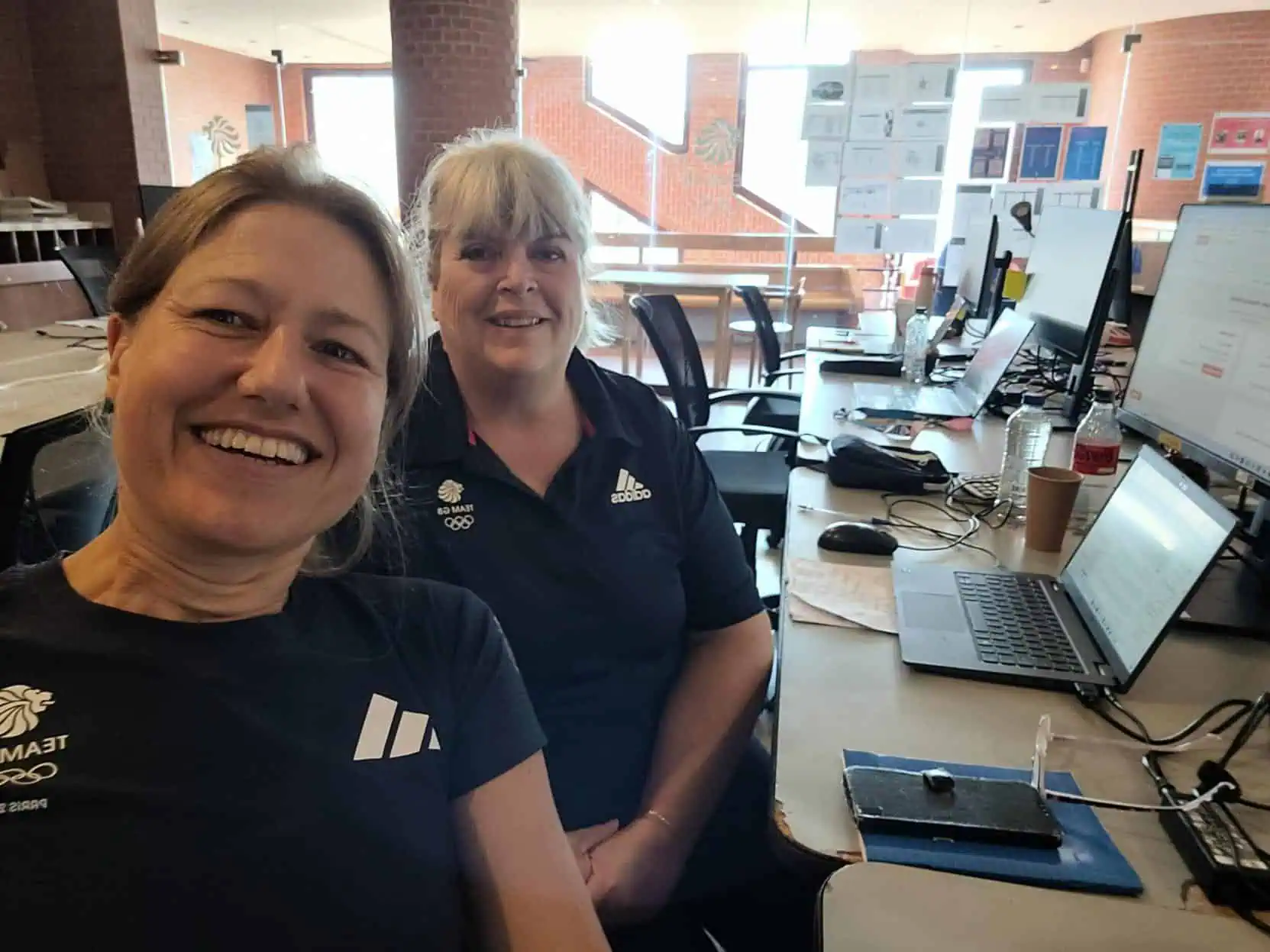
Every sporting organisation and every discipline has its own requirements. That’s why there can never be a one-size-fits-all approach to team travel.
Before making any arrangements, we need to understand what that particular team is trying to achieve. When do they need to arrive? What training commitments do they have? Who is travelling? What equipment are they taking? Do they have any accessibility needs? Could competition results affect their return journey?
The questions asked at the beginning often make the biggest difference later.
Having supported elite sporting programmes for many years, we know what to look for and what to ask. We can often identify a potential challenge before it becomes a problem because we’ve encountered similar situations during previous competition cycles.
That knowledge means we can go beyond simply responding to a brief. We can help sporting organisations think through the whole journey and plan for requirements they may not yet have considered.
The Small Details Often Make the Biggest Difference
One of the things I’ve always enjoyed about this job is thinking beyond the logistics and considering the traveller experience as a whole.
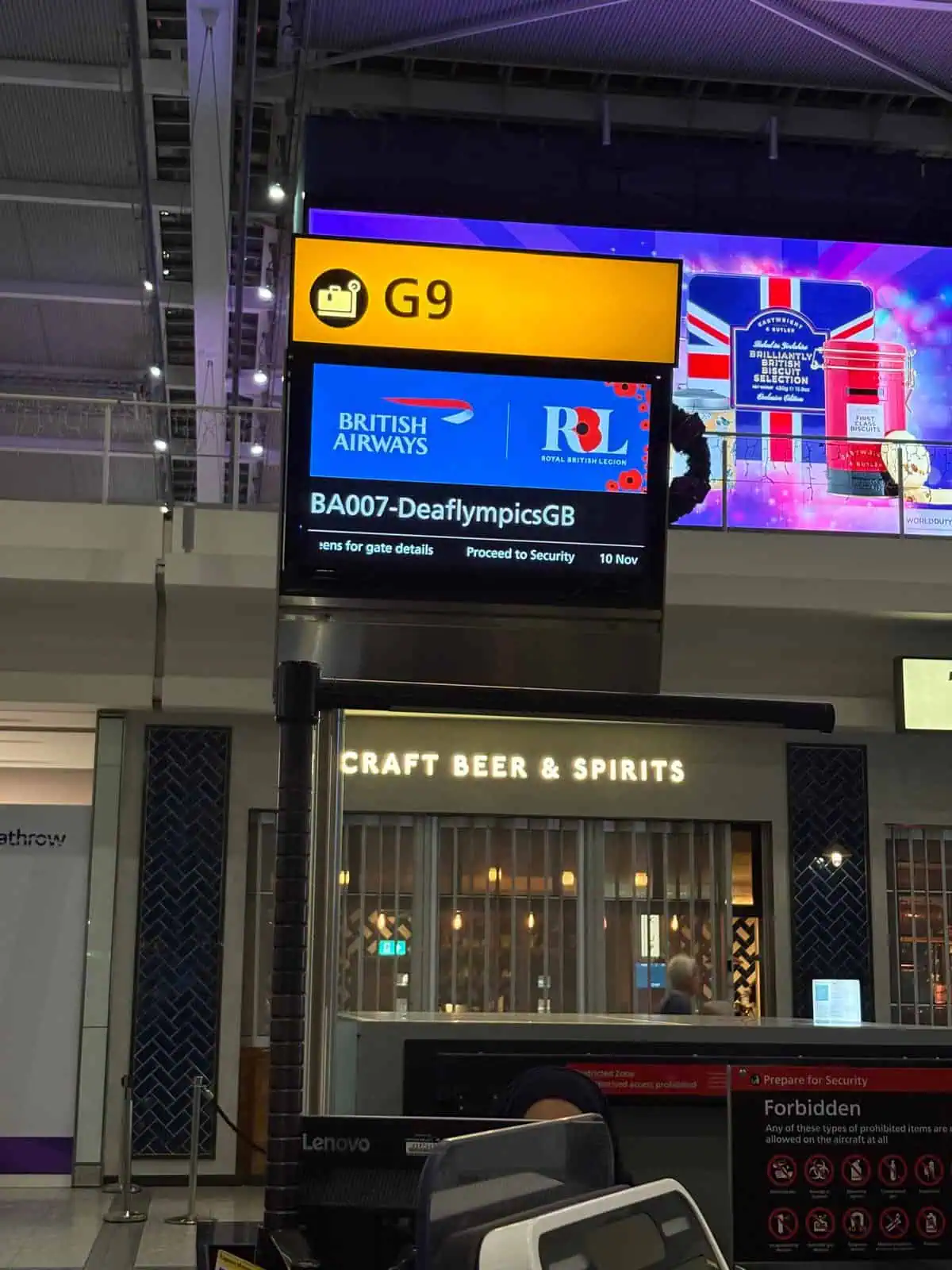
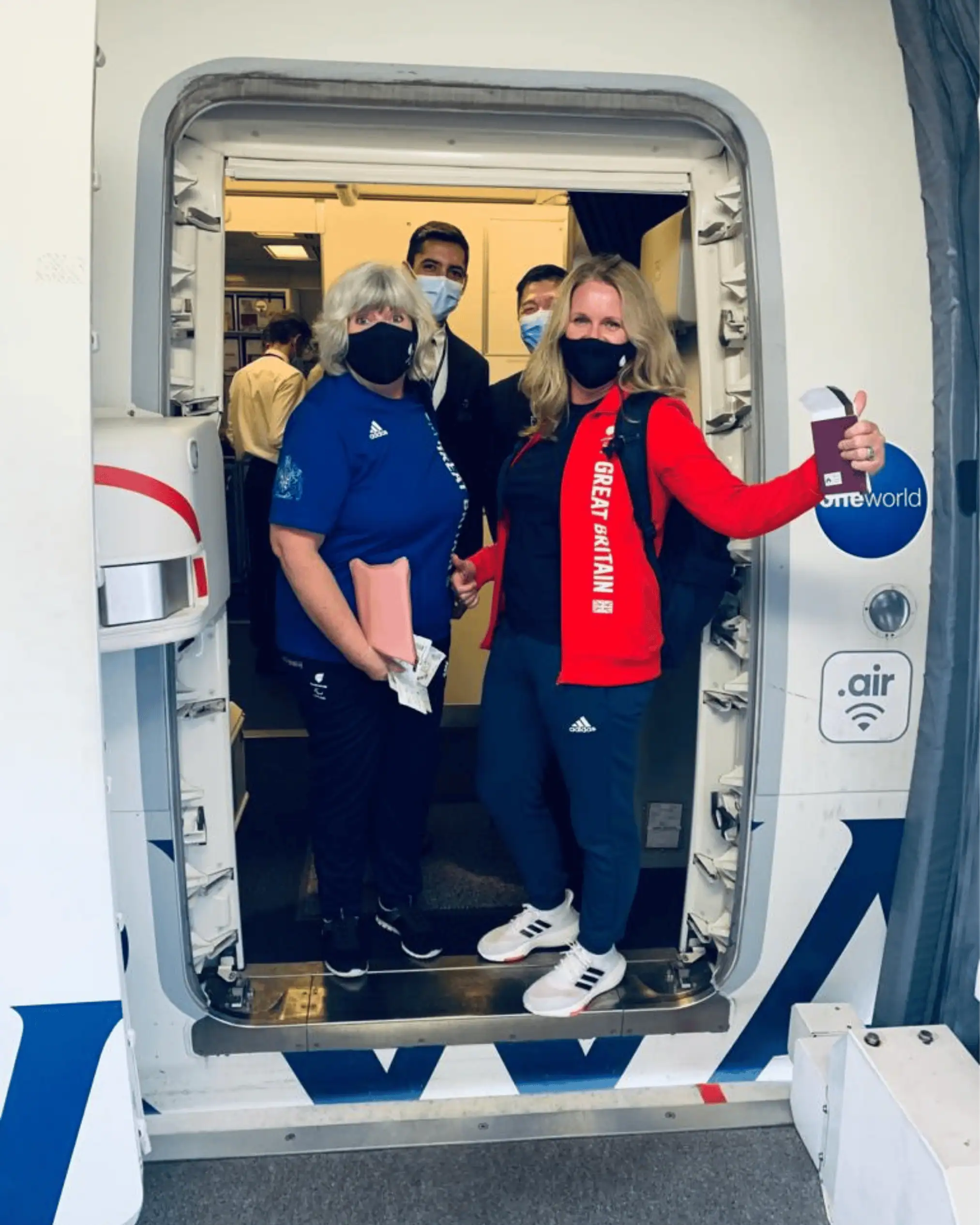
A great example was supporting the GB team travelling to the Tokyo Deaflympics. Working closely with British Airways, we looked at how we could make the airport journey as smooth as possible for the athletes.
Heathrow arranged for a deaf member of staff to meet the group and communicate using sign language, while crew members had taken the time to learn some basic signs too.
It wasn’t a complicated solution, but it showed a genuine understanding of the team’s needs. For me, that’s where strong supplier relationships really make a difference. When you’ve worked alongside partners for years, you’re able to create tailored experiences that go far beyond the booking itself.
Often, it’s those small details that leave the biggest impression and make travellers feel supported.
The Challenge of Specialist Equipment
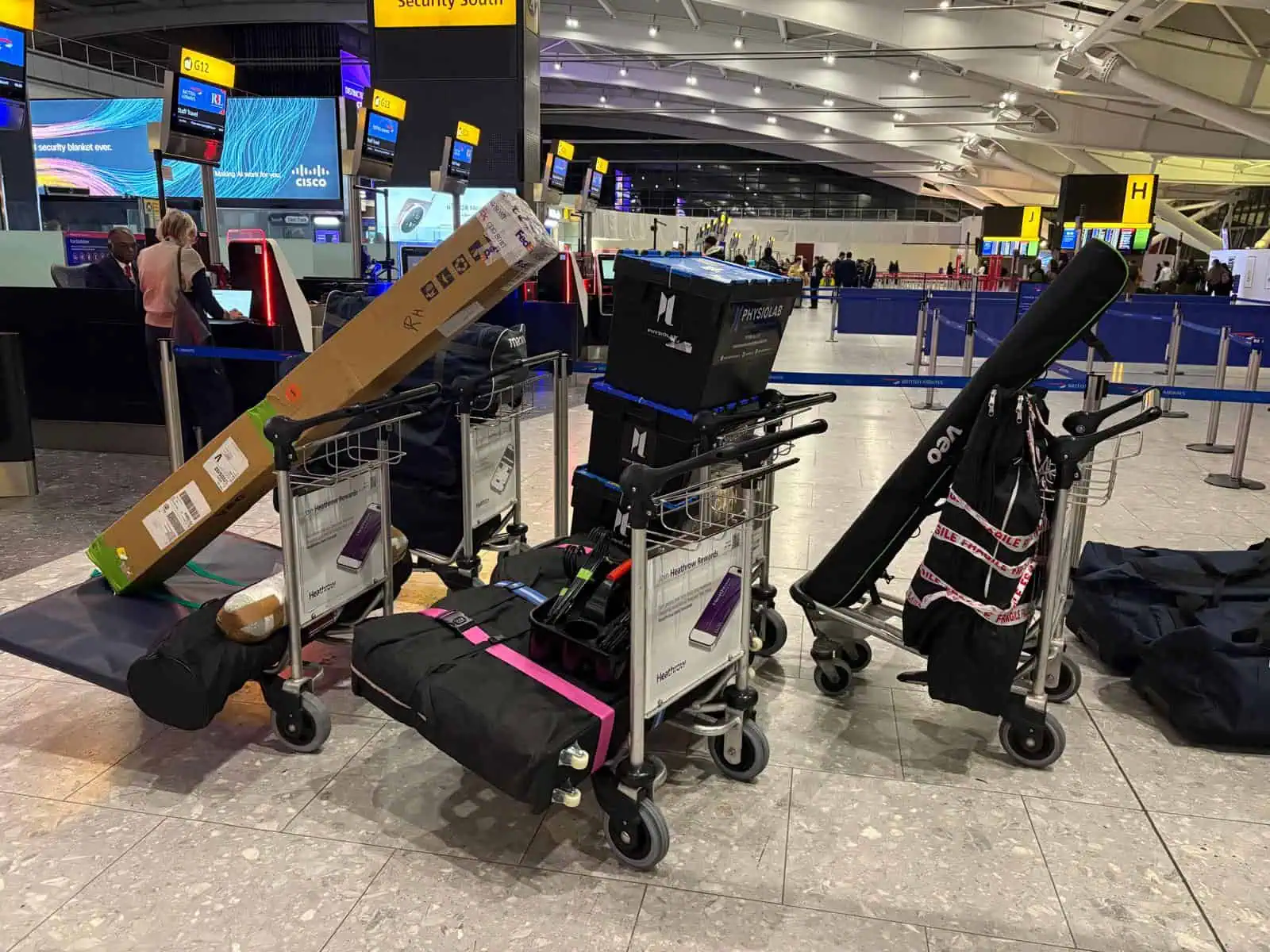
People are often surprised by the variety and quantity of equipment that sports teams need to take with them.
Depending on the discipline, we could be arranging travel involving rifles, bicycles, boats, pole vaults (which are surprisingly difficult to fit on a plane) or oversized baggage. Each item may be subject to different airline rules, security procedures and handling requirements.
For a shooting team, for example, checking in can take considerably longer because of the documentation and processes involved in travelling with firearms. Where possible, we’ll work with the airline to arrange a dedicated check-in desk. This makes the process smoother for the team and avoids lengthy delays on departure day.
It comes back to understanding the practical realities of each sport. We make sure equipment reaches the right place safely and on time.
Years of experience also help us understand which conversations need to happen with airlines early. It’s much easier to address baggage capacity, specialist handling requirements and operational procedures in advance than to discover an issue at the airport.
Planning For The Unknowns
One of the most challenging parts of elite sports travel is preparing for situations that haven’t happened or may never happen.
Competition results can have an immediate effect on travel arrangements. A team may progress further than expected and need to stay longer, or they may need to return home immediately following elimination.
For tournament-style events, this can mean planning and budgeting for more than one possible journey. Earlier in my career, when supporting major football tournaments, we sometimes had to prepare different flight options because teams or crews could end up in entirely different locations depending on results.
Finding alternative arrangements at short notice is not always straightforward, particularly when a large group needs to travel on a busy route. There might be limited availability, different cabin requirements or very little time to make decisions.
That’s why contingency planning is so important. You may put a great deal of work into an option that is never needed, but if circumstances change, the team expects you to be ready.
Supporting Athlete Performance Through Travel
Travel decisions are closely connected to performance.
Teams often request particular flights because the timing works best around training, nutrition, recovery or acclimatisation. Some athletes may need extra time to adjust before competition, while others may need to move between training camps and competition venues.
At elite level, marginal gains matter. Team managers spend years preparing athletes for competition, and travel should complement that preparation.
When you’re working with high-performance programmes, you quickly learn that the best travel arrangements are often the ones that athletes barely notice because everything works exactly as it should.
Why Strong Industry Relationships Matter
Our relationships with airlines, hotels and other suppliers play a huge role in the service we can provide.
When you’re transporting large amounts of kit, managing complex group bookings or responding to last-minute schedule changes, it helps to have trusted contacts who understand the situation and are willing to help find solutions.
These relationships are developed over years of working together and understanding each other’s priorities.
Whether we’re discussing specialist baggage requirements, accessibility support, group seating, upgrades or urgent changes, having those connections allows us to have productive conversations and achieve better outcomes for the teams we support.
For National Governing Bodies, that often means having confidence that someone is already asking the right questions on your behalf.
Experience Gives You Confidence
After nearly 25 years at Travel Places, I’ve learned that the same principles apply whether you’re moving a small team to a European competition or supporting a large delegation at a major international event.
You need to understand the team, ask the right questions, pay attention to the details and prepare for change.
The scale can sometimes be daunting, but it’s the same principle no matter how many people are travelling. Every passenger, journey and piece of equipment needs to be considered.
Experience gives you the confidence to stay calm when circumstances change. It helps you recognise situations you’ve encountered before, understand who needs to be involved and move quickly towards a solution.
Elite sports travel continues to evolve. Competition schedules, athlete expectations and operational requirements are always changing, so we have to keep adapting too.
That’s one of the things I still enjoy most about the job. No two projects are ever exactly the same, and there’s always a new challenge to solve.
What hasn’t changed is the importance of getting the details right.
When a team’s journey runs smoothly, most people will never see the planning, problem-solving and supplier conversations that made it possible. And that’s often the sign that we’ve done our job well.
Ultimately, our role is to give sporting organisations confidence that their travel is in experienced hands, allowing athletes and staff to focus on what matters most.